By Annabel Karmel, the UK’s No. 1 baby & children’s cookery author.
Your baby is about to grow… fast!
By six months, little ones hit a huge developmental leap – and it’s no wonder, considering most babies triple their birth weight in the first year. To power all that amazing growth, they need a balanced mix of key nutrients. Here’s what matters most.
Iron: brain food
Iron is crucial for brain development, especially after six months, when the iron inherited from mum starts to run low. A baby’s brain triples in size in the first year and a lack of iron can affect learning later on, so it’s a key nutrient to get right.
Types of iron
- Haem iron – found in meat, chicken, fish; absorbed easily.
- Non-haem iron – found in eggs, vegetables, lentils, beans, fortified cereals; less easily absorbed. Pair with vitamin C-rich foods (like strawberries, kiwi or capsicum) to boost absorption.
Tips!
- Introduce red meat from six months – lean beef is packed with iron.
- Darker meat = more iron.
- Offer iron-rich foods twice a day.
Omega-3: brain and eye boosters
Omega-3 fatty acids (DHA & EPA) are essential for brain and eye development.
- Best: Oily fish like salmon, mackerel, sardines (twice a week).
- Plant sources: Flaxseeds, chia, soy and nut butters (contain ALA, which the body converts to DHA/EPA).
Breastfeeding? Include omega-3 rich foods in your own diet as they pass through milk.
Formula-fed? DHA is usually added to infant formula.
Carbs: steady energy
Carbohydrates give babies energy and essential nutrients:
- Bread, pasta, rice, potatoes, sweet potatoes
- Fortified cereals and porridge
- Wholegrains, lentils, beans, chickpeas
- A rainbow of veggies and fruits
Tip! Alternate white and wholegrain options. Too much fibre can fill your baby up too quickly and reduce nutrient absorption. Aim for one portion per mealtime.
Fats: brain fuel
Babies need a mix of good fats for brain growth, cell development and energy.
Sources: Egg yolks, avocado, unrefined oils (olive, avocado, canola), ground nuts, seeds and nut butters.
Tips!
- Up to 50% of a baby’s calories should come from fats.
- Avoid trans fats (pre-packaged and fried foods) and low-fat diets.
- Sneaky ways to add good fuel-giving fats: pair fruit with full-fat yoghurt, roast or stir-fry veggies in olive, sunflower or canola oil, or serve mashed avocado on fingers of toast.
Protein: the building blocks
Protein is vital for muscles, bones, skin, hair and more! Many protein-rich foods also provide zinc, supporting immunity and growth.
Sources: Fish, poultry, meat, eggs, tofu, full-fat yoghurt, beans, chickpeas.
How much: About 2 portions a day (3 for vegetarian/vegan babies).
Vitamins & minerals
A varied diet will give your baby most of the vitamins and minerals they need. Speak to your GP or child health nurse about whether your baby needs any supplements.
Vegetarian & vegan weaning
A well-balanced vegetarian or vegan diet can give your baby all the energy and most nutrients they need, but careful planning is key.
Focus on:
- Iron-rich foods: lentils, beans, eggs, leafy greens, ground nuts, fortified cereals.
- Pair plant iron sources with vitamin C for absorption.
- Provide 3 portions of vegetable protein or nuts daily (ground or as smooth nut butters).
Vegetarian and vegan diets can often be high in fibre and bulky, making it more difficult to provide them with enough energy and nutrients. So seek professional advice from health professionals on meal planning and on the supplements needed to ensure baby is getting enough of key nutrients.
Weaning is the perfect opportunity to set up lifelong healthy habits. A varied, balanced diet packed with iron, protein, omega-3s, good fats and vitamins is the foundation for healthy growth and development (and a happy tummy!).
Two nutrient-packed recipes to try
Try these simple, nutrient-dense baby recipes bursting with goodness for growing little tummies.
Salmon & Sweet Potato Balls
Makes: 10–12 balls
Suitable from: 6 months
Freezer-friendly: Yes
Ingredients
- 1 small sweet potato
- 100g salmon fillet, cubed
- 25g panko breadcrumbs
- 40g Parmesan cheese, grated
Method
- Preheat the oven to 180°C fan-forced.
- Prick the sweet potato a few times with a fork and cook in a microwave for 8 minutes until soft. Slice in half and scoop out the potato flesh into a small blender.
- Add the salmon, panko breadcrumbs and Parmesan and blitz until finely chopped. Shape the mixture into 10–12 balls.
- Place the balls on a baking sheet and brush with a little oil. Bake for 15 minutes until firm and lightly golden.
One Pot Bolognese Orzo
Makes: 4 portions
Suitable from: 7 months
Freezer-friendly: Yes
Ingredients
- 2 tbsp olive oil
- 1 large onion, chopped
- 1 large carrot, peeled and grated
- 2 cloves garlic, crushed
- 250g lean minced beef
- 400g passata
- 500ml beef stock
- 1 tbsp oregano
- 1 tbsp sun-dried tomato paste
- 175g orzo
- 25g Parmesan cheese, grated
Method
- Heat the oil in a sauté pan. Add the onion, carrot and garlic and fry for 2 minutes.
- Add the beef mince and brown with the vegetables.
- Add the passata, stock, oregano and sun-dried tomato paste. Bring up to the boil. Add the orzo, cover and simmer for 20 minutes.
- Take off the heat and stir in the cheese.
Enjoy the little moments at mealtime
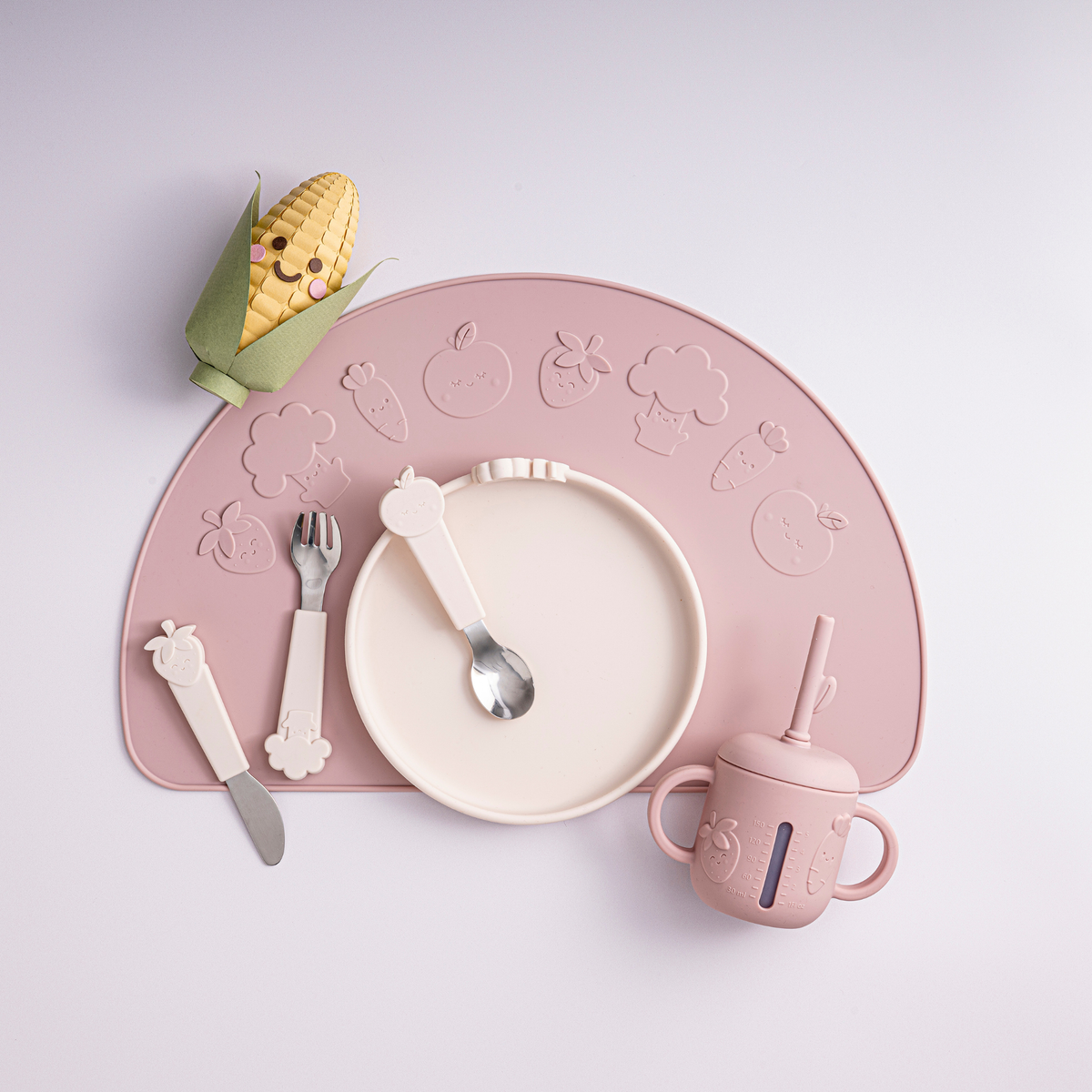
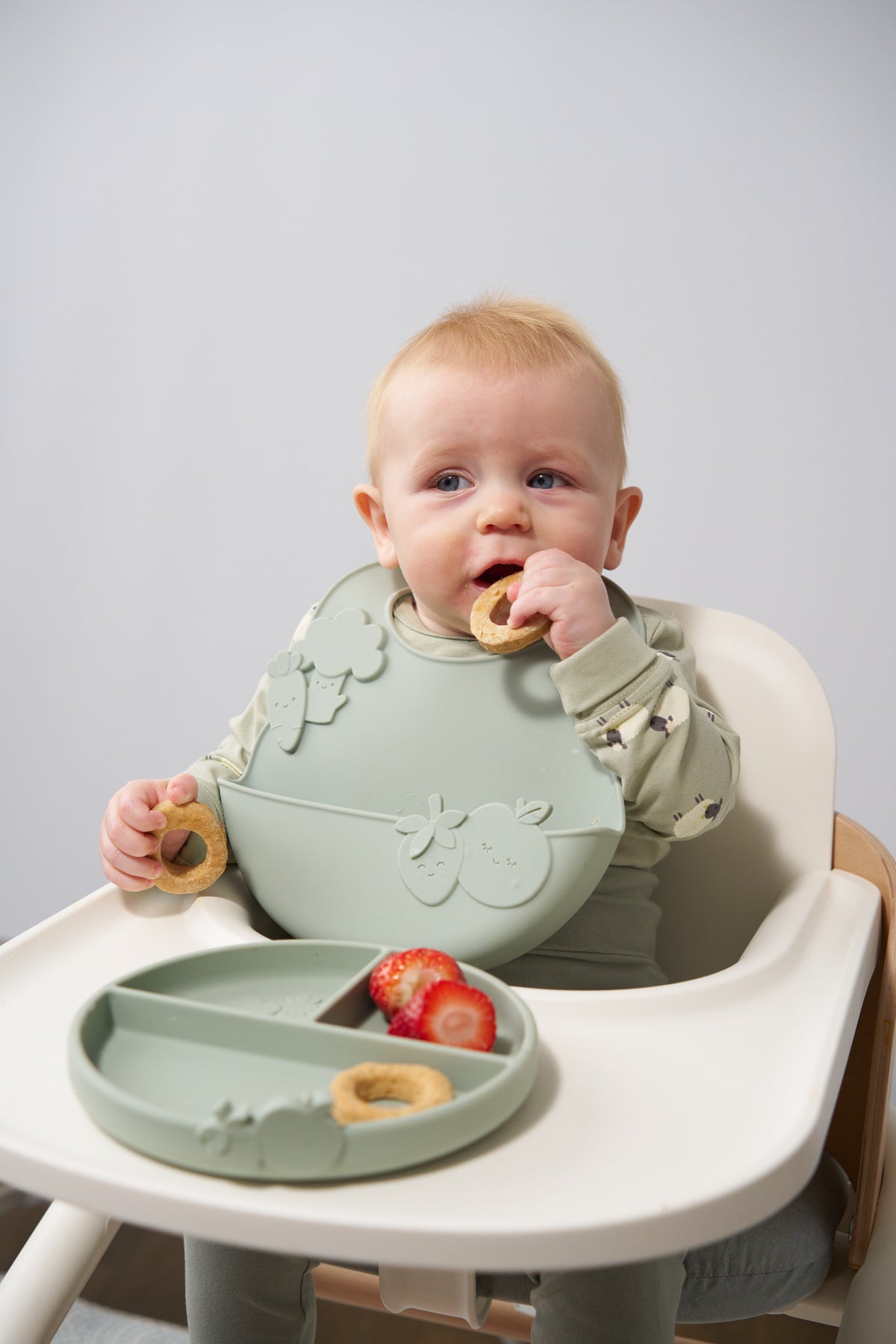
From first tastes to family meals, there is plenty for your baby to discover. Explore the Annabel Karmel mealtime range for feeding essentials designed for growing little eaters. Available exclusively at Baby Bunting.
AK by Annabel Karmel is distributed in Australia by InfaGroup.